The Rise of Supplement Culture
Are Supplements Becoming an Unnecessary Wellness Stress?
Supplements are everywhere. Social media is saturated with recommendations for creatine, adaptogens, green powders, and countless other products, often framed as essential for optimal health. It’s no surprise that many people feel confused and concerned that they may be missing something if they’re not supplementing regularly. I’m frequently asked questions such as, “I’ve heard I should be taking this, is it actually helpful?” These conversations highlight a growing uncertainty around what supplements are for, and whether they are truly useful or just an unnecessary expense.
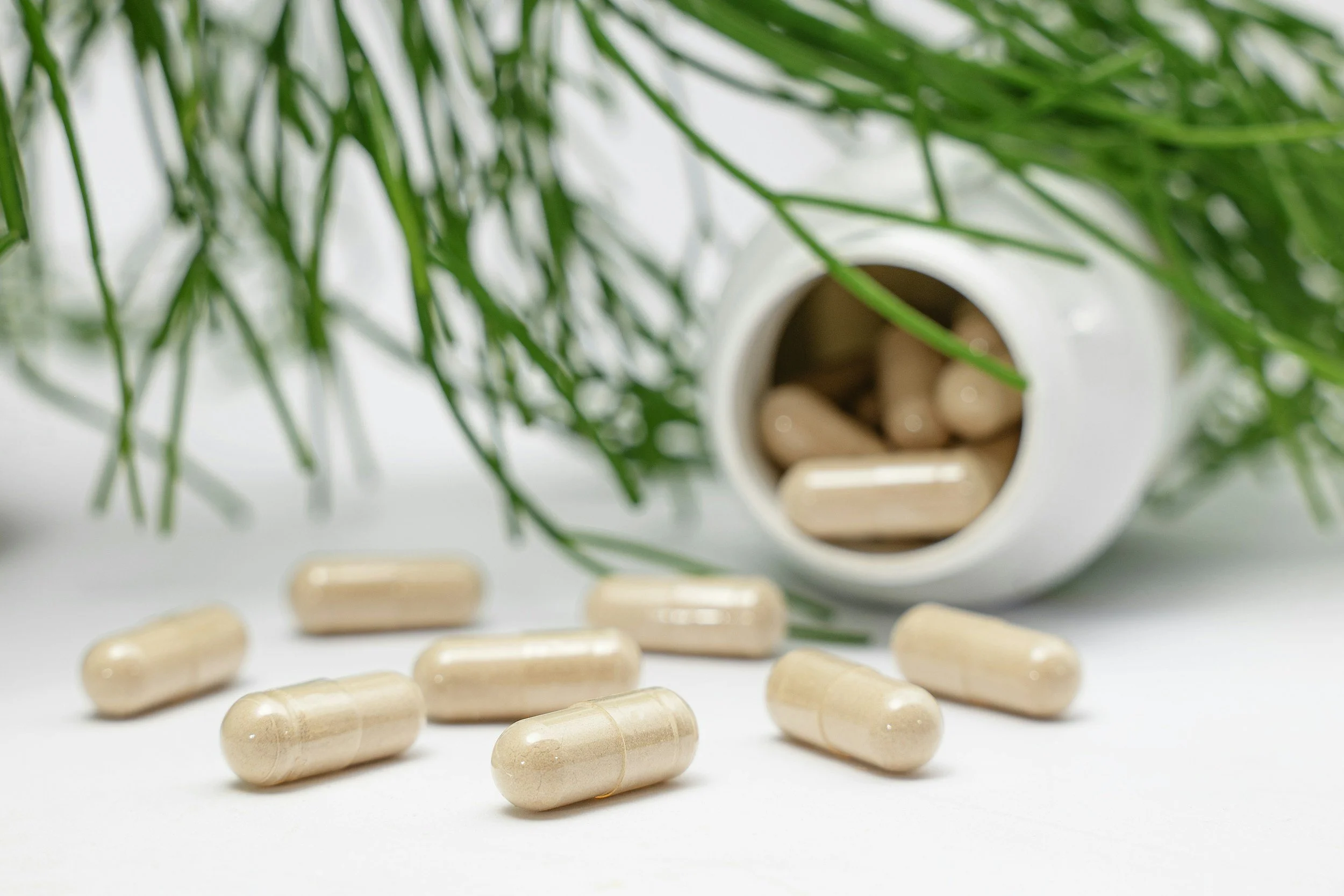
The Supplement Industry
The supplement industry is worth billions and continues to expand rapidly. Social media has played a significant role in this growth, particularly through influencers and health-focused content creators who regularly share the products they use. In many cases, these recommendations are linked to affiliate partnerships or commission-based sales. While this doesn’t automatically invalidate the products being promoted, it does mean the advice is rarely personalised, and often designed for mass appeal rather than individual need.
When Supplements Are Truly Beneficial
Supplements can be extremely valuable when used appropriately. They can play an important role during specific life stages, periods of increased physical or mental demand, or when a deficiency or insufficiency has been identified. Used in a targeted and informed way, supplements can support health meaningfully. This is where they are at their best, as precise tools rather than blanket solutions.
The Problem with Over-Supplementation
Taking multiple supplements daily without a clear rationale can create unnecessary stress, both mentally and financially. It may also increase the risk of nutrient–nutrient or drug–nutrient interactions, as well as potential toxicity risks if levels get too high. Rather than supporting health, this approach often leaves people feeling overwhelmed and unsure whether they are doing the “right” thing, which runs counter to what good health should promote.
The Importance of Qualified Guidance
One of the challenges in the current wellness space is that many individuals online present themselves as nutrition authorities, despite lacking formal qualifications. Advice is often taken at face value, without consideration of individual health history, dietary intake, medications, or existing nutrient status. If you are considering starting a new supplement, the most appropriate step is to speak with a qualified nutrition professional or healthcare provider. Supplement companies themselves can also offer guidance, though it is always prudent to remain aware of potential conflicts of interest. Seeking advice from someone who understands nutrient interactions, appropriate dosing, and individual variability is far more valuable than following generic recommendations.
AI and Supplement Advice
It is also worth being cautious when seeking supplement advice from AI-based tools. These systems often provide broadly affirmative responses, for example recommending magnesium for fatigue or creatine for muscle building. While such suggestions may be accurate in general terms, they cannot replace personalised assessment.
How to Trial Supplements
When introducing a new supplement:
• Change only one variable at a time
• Allow at least one month before assessing its effect
• Avoid adding additional new supplements during this period
• Re-test where deficiencies are involved
• Reassess the need for ongoing use (supplements are not always intended to be permanent)
This approach allows for clearer feedback and more informed decision-making.
Supplements can be a valuable tool, but more is not always better, and optimal wellness is not achieved through constant addition. A thoughtful, individualised approach, ideally supported by qualified guidance, is far more effective than following trends. If a supplement adds stress rather than support, it is worth questioning whether it is truly helping.